
How to Search Criminal Dockets in Orange County
The public entry point is the North Carolina eCourts Portal. Set the location to Orange County first. From there, Smart Search accepts a party name, a record number, or a citation number when you have one. Choosing the Criminal Actions category trims a statewide result set down to criminal matters. A name match alone proves little. Before treating a Case Summary as the right criminal case, check the record number, the Orange location, the case type, and the party's role.
- Open Portal Smart Search and select Orange County in the Location filter.
- Enter a party name, record number, or citation number, then narrow to Criminal Actions if needed.
- Open the matching Case Summary and compare the case information, assignment information, and party information.
- Read Case Events, Hearings, Dispositions, and applicable Financial Information in date order.
- For a current appearance, use Search Hearings and then verify the result against the local criminal calendar or court contact.
Portal works well for public status research. It does not replace an official court record. When a result is unclear, old, restricted, or missing, ask the Orange Clerk for the public terminal or the paper file. The statewide court-records instructions recognize those in-person channels, and the Clerk handles copies and certification.
Orange County Criminal Actions in Smart Search
Smart Search is the detailed route for an Orange County criminal docket. The official Portal materials list party-name criteria, record number, citation number, attorney information, business or nickname fields, and advanced filters. Location and case-type choices matter, because Portal searches statewide. Similar names are common. A searcher can narrow the pool further by case status or filing-date range, then open the individual Case Summary to verify the match.
| Portal field | Use for an Orange criminal search |
|---|---|
| Location | Select Orange County before relying on a result. |
| Party name | Search by a sufficiently specific name and verify the party role. |
| Record number | Use the full number when known; Portal also documents limited wildcard searching. |
| Citation number | Use as an alternate key for a traffic or infraction case. |
| Case type | Choose Criminal Actions to focus the results. |
Judicial Branch Portal training materials call the public Case Summary a Register of Actions. It is, in plain terms, a chronological record. Everything filed or scheduled in the case appears there. An official example also breaks down the record-number pattern. It runs two-digit year, letter case type, six-digit sequence, then a three-digit county identifier. That is the system format today. Older Orange County files may not match it exactly, though.
The Judicial Branch District Court overview identifies the trial division handling Orange County cases. That division covers misdemeanors, traffic, and infractions.
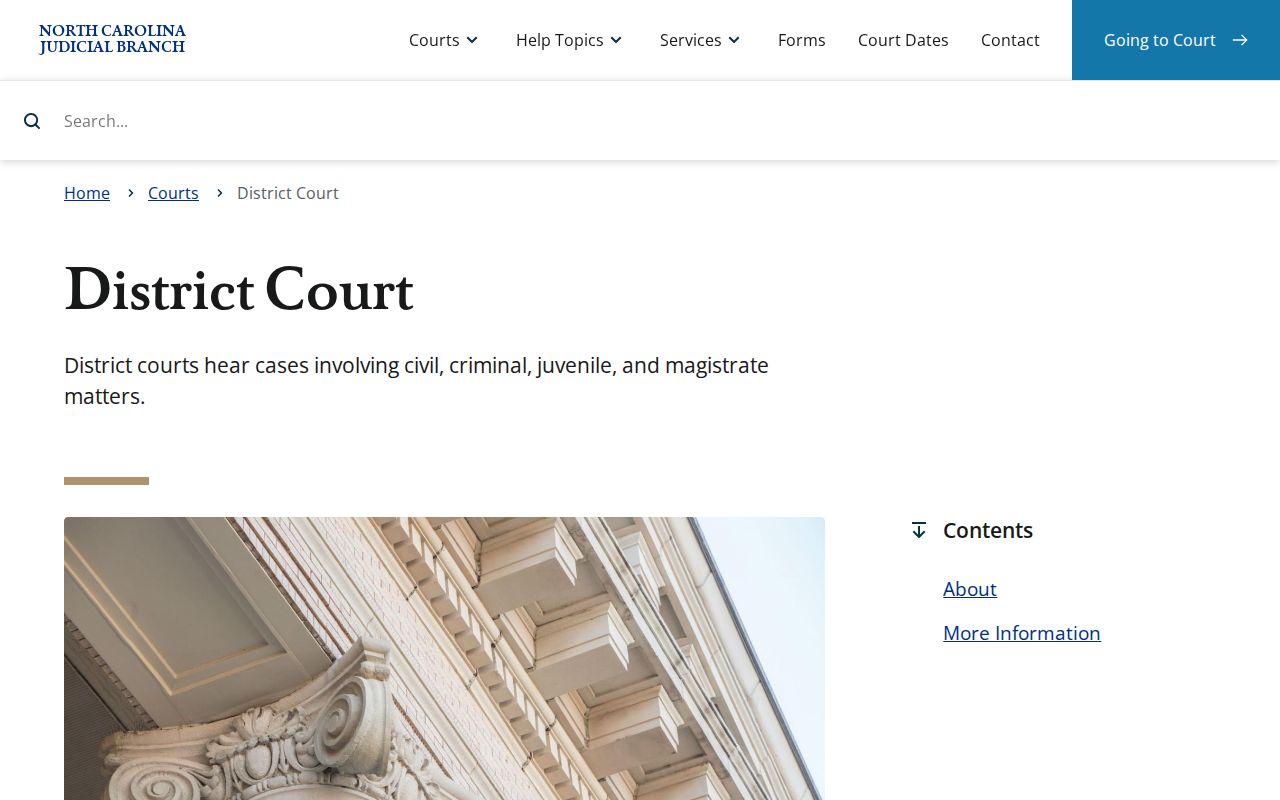
That split in jurisdiction matters. It tells a searcher to read the Orange County criminal docket in the proper trial division, rather than treating every criminal matter as a Superior Court file.
Orange County: What a Criminal Docket Shows
Portal calls the criminal timeline a Case Summary or Register of Actions. Its published feature list supports a cautious reading of the public display. Start with identity and assignment details. Then read the dated Case Events, Hearing information, Dispositions, and Financial Information where it applies. A Case Event establishes only that an event was recorded. It does not by itself supply the certified order, the transcript, or every underlying filing. Read with that limit in mind.
| Record number | The case identifier used to verify that a search result is the correct Orange matter. |
|---|---|
| Location and assignment | Case Information and Assignment Information may identify the Orange court routing when public. |
| Case type | Criminal Actions is the verified Portal category for a criminal-case search. |
| Parties and attorneys | Portal lists Party Information and supports attorney name or bar number as search keys. |
| Events and hearings | Case Events and Hearings show the dated timeline and current setting information when available. |
| Disposition and financials | Dispositions and applicable Financial Information are listed Portal functions. |
Bond amount or type, charge statutes, classifications, document images, and a fixed display of individual disposition labels may or may not appear on a given case. Never infer those details from an empty field or fill them in by guesswork. For a charging document, judgment, certified disposition, or unclear order, the Clerk is the correct source.
Orange County Criminal Calendar Checks
A current hearing needs more than one check. Portal Search Hearings can search by case number, party, business, attorney, bar number, judicial officer, or courtroom. It returns the current hearing location and time. Open Smart Search as well, since later Case Events may affect the setting. Orange County's Local Administrative Schedules page adds local civil and criminal calendar links, calendar-call materials, and tentative assignments. For a Superior Court criminal setting that still needs confirmation, the Orange Superior Court Trial Court Coordinator is listed at 919-644-4747. The Orange County contact directory lists the Clerk at 919-644-4500 and District Court Judges at 919-644-4646 for District Court issues. Make those calls after Portal and the current local calendar, especially when a posted setting has changed. Note: A past event in a Case Summary is not proof. A future Orange County criminal hearing could still come off the calendar.
Orange County: Stages on a Criminal Docket
An Orange County criminal docket records progress as dated Case Events. A case may show a charge or filing event, an appearance, or a hearing. Later entries can include a motion or order, a plea or trial event, a disposition, financial activity where applicable, and an appeal-related event. The practical rule is simple. Use the wording displayed in the actual Case Summary. Orange County publishes no local abbreviation list. So do not expand a label into a meaning the public Portal does not show.
Docket flow: Charge Filed › Arraignment › Pretrial Settings › Plea or Trial › Disposition › Sentencing
Search Hearings finds a current appearance. The Case Summary gives the broader timeline. A disposition is the relevant result field, but official proof of the outcome comes from a clerk-issued record. When an event points to an appeal, the trial timeline may show that action while the appellate docket follows a separate North Carolina Court of Appeals process.
Orange County Criminal Clerk Routes
Orange County runs one Clerk of Superior Court for both Superior and District records. The Orange County Judicial Branch page gathers the local court links and services in one place. That makes it a good first stop. If a public criminal file does not display fully in Portal, try the Clerk counter. The public self-service terminal is another option. Statewide records instructions allow criminal searches at clerk terminals by defendant name, case number, or victim or witness name. Paper files, copies, and certified records stay clerk-side tasks.
Magistrates play a different role. Orange magistrates take initial criminal process and limited matters, listed at 919-644-4690. No separate municipal criminal-docket portal exists for them. Once charges are filed, the Clerk and Portal govern the Orange County criminal docket. A traffic citation is generally a District Court case. It counts that way whether it arose in Chapel Hill, Carrboro, Hillsborough, or the Orange County portion of Mebane.
North Carolina's criminal expunction statute is the official source on changed maintenance and access rules. Those rules can affect a criminal record.
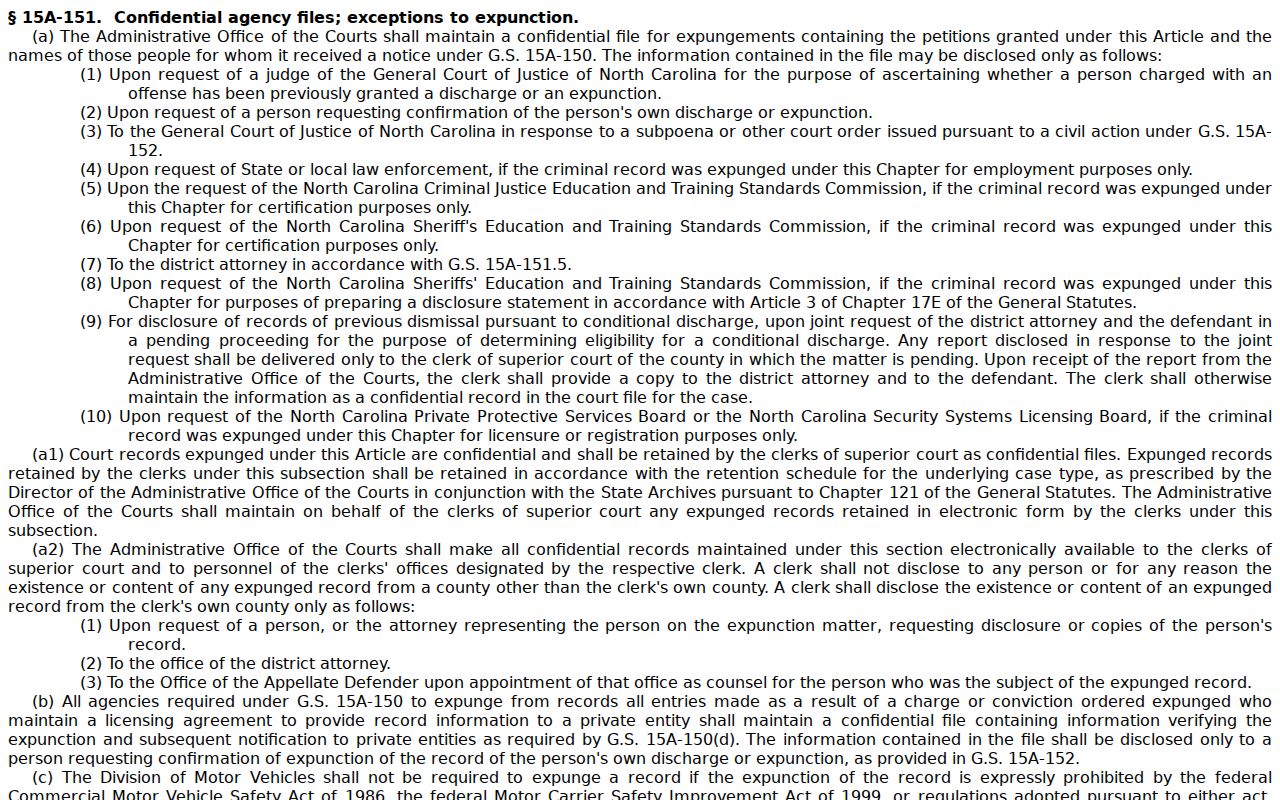
A no-result search proves little. Check it through the proper clerk channel before assuming no Orange County criminal docket ever existed.
Orange County: Which Court Holds Criminal Dockets
Criminal dockets in Orange County split by trial level. Superior Court takes every felony, plus appeals from District Court misdemeanors and infractions. District Court handles the misdemeanors, traffic, and infractions themselves. Both divisions share one Clerk and the same statewide Portal. So the real routing question is case type and trial level, not whether some other county clerk runs a different online system.
| Orange criminal route | Where to confirm the docket |
|---|---|
| Felony | Superior Court, Portal, local criminal calendar, coordinator, then the Clerk terminal or file. |
| Misdemeanor | District Court, Portal Criminal Actions, local calendar, District contacts, then the Clerk. |
| Traffic or infraction | District Court, citation number or Portal, current calendar, and Clerk record access. |
| Magistrate-stage matter | Magistrate contact for initial process; later filed cases follow Clerk and Portal channels. |
Cases move, merge, reopen, and get appealed. Before treating the first result as the active Orange County criminal docket, review the Case Events and any cross-reference information.
Orange County Criminal File Fallback
When a Portal search leaves gaps, go to the public terminal and the paper file. Ask the Orange Clerk where they sit. Then bring the case number, county, and the record you need. Say exactly what copy you want, whether a judgment, disposition, charging document, or something else. Copies may be made for a fee. No Orange copy or certification amount is published.
The clerk route also fits older records and certification requests. It covers document images not shown publicly, plus access restrictions the Portal does not explain. Hearing recordings follow their own statewide request process when one exists. Keep the online Case Summary in perspective. It is a status and timeline tool, not the official record itself.
Orange County: Public Access and Sealed Criminal Dockets
Portal access and clerk inspection still leave limits. The Clerk maintains records, files, dockets, and indexes, but only within access rules the law imposes. Juvenile proceedings carry separate confidentiality rules. Expunged criminal matters have their own access picture too. A blank Portal result might mean a bad record number, an old file, a restriction, or expunction, so ask the Clerk instead of guessing.
Key Rules:
N.C.G.S. § 7A-109 says clerks maintain court records and public inspection is available except where law prohibits access.
N.C.G.S. § 15A-151 governs maintenance and handling of criminal records after expunction.
N.C.G.S. § 7B-3200 provides for juvenile expunction procedure and a confidential AOC file after an order.
Registering on the Portal grants no special statutory access. For a public record, pair the Portal with the clerk terminal. On any restriction question, the Clerk or court makes the access decision.
Orange County Criminal Expunction Limits
Expunction and juvenile confidentiality are access limits, not search errors. The public Portal carries only publicly available court information, and restricted information demands statutory authority. Do not expect a universal sealed label. That goes for a public juvenile name result and full document images for every Orange County criminal docket. An incomplete display cannot establish a case's legal history. The official materials promise no such presentation.
One statute matters here. The Legislature's juvenile-record expunction source describes the confidential record provisions that govern access. They apply after an expunction order.
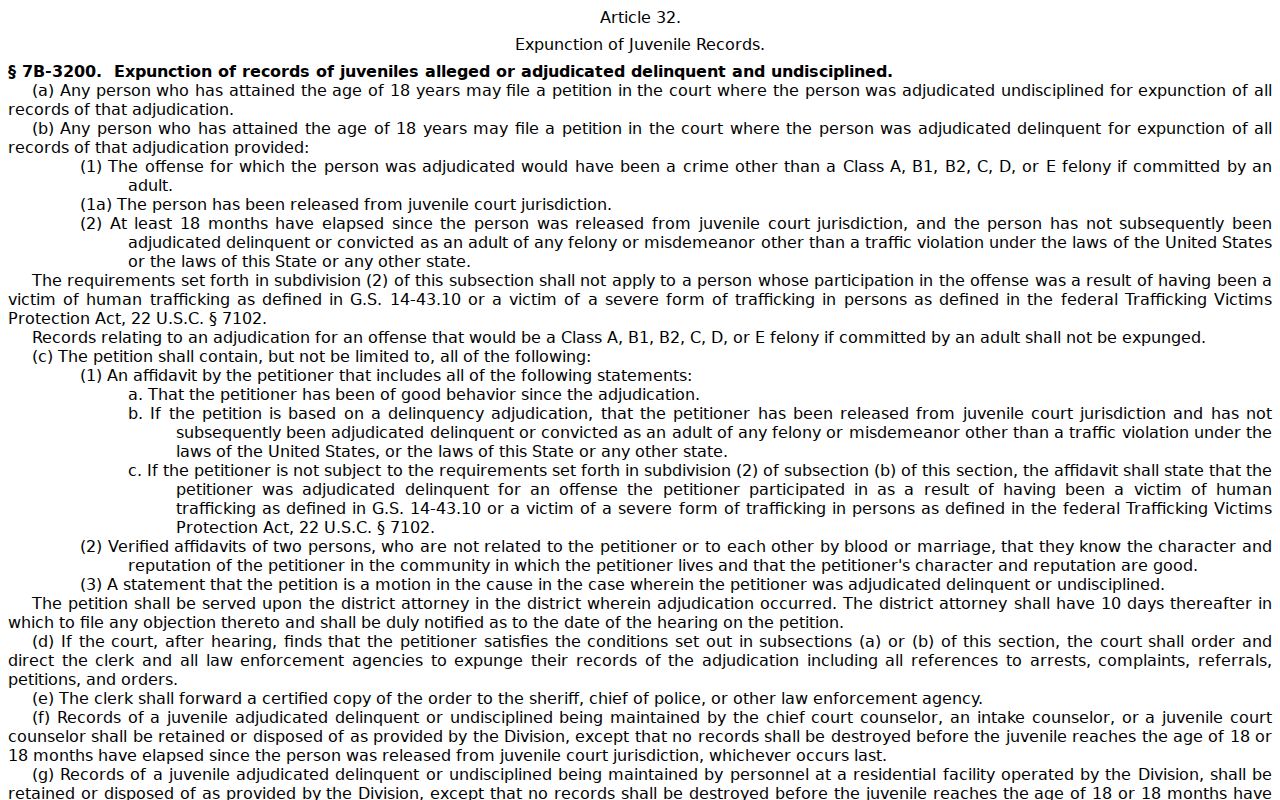
For a legitimate request, work in order. Verify the Orange case details, ask the Clerk what public access exists, then seek legal advice if an expunction or sealing question touches your own matter.